
What To Do When You Inherit A Record Collection
What to Do When You Inherit a Record Collection
Inheriting a record collection can feel overwhelming. Boxes of vinyl, conflicting advice online, and no clear sense of what matters — or what doesn’t.
Here’s the honest reality: there are basically two kinds of record collections — ones with value, and ones without. With a few simple questions, that difference can usually be identified in about 10 seconds.

Step 1: Take a Simple Overview of What’s Included
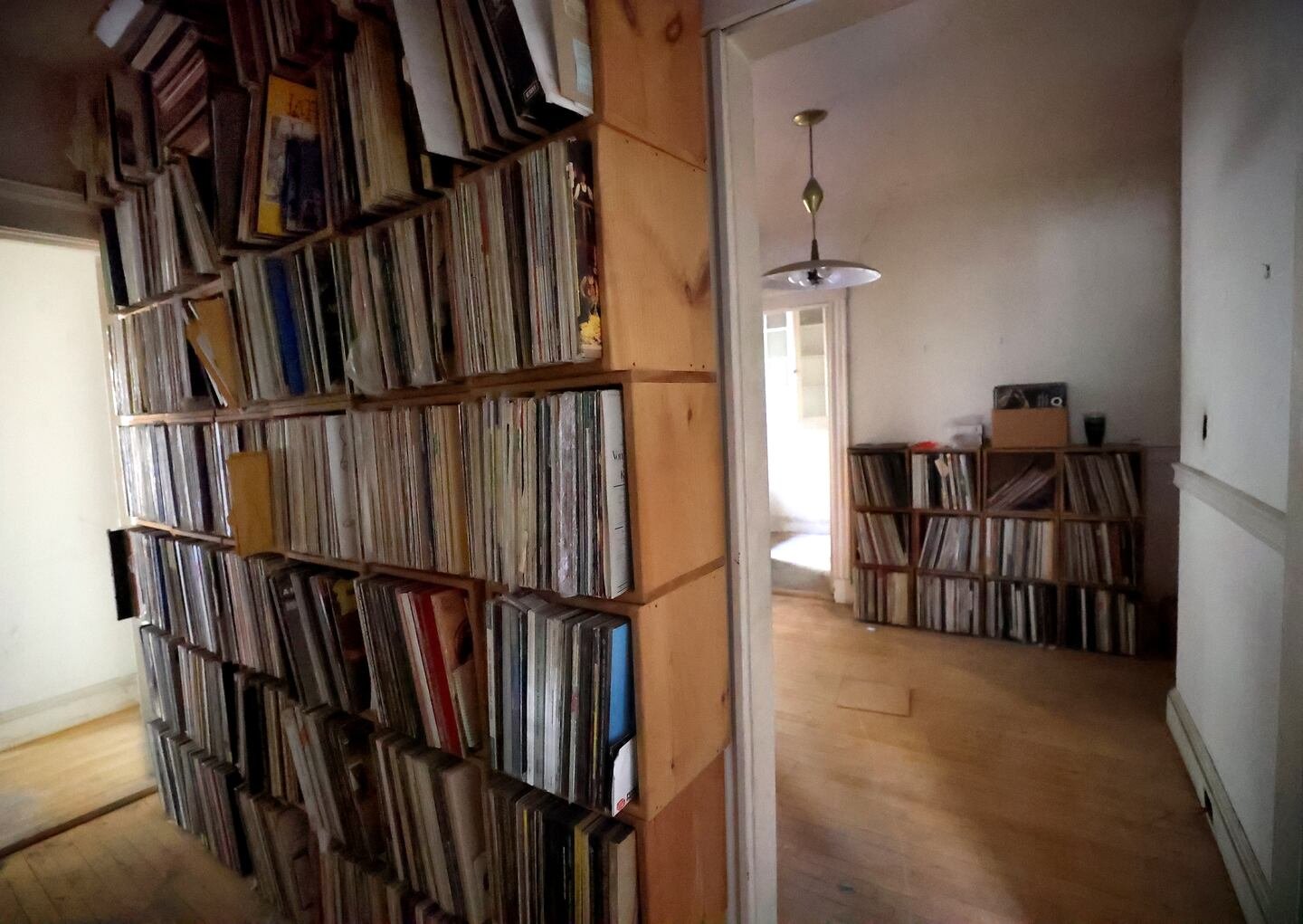
Before worrying about selling, donating, or value, the most useful first step is to take a very basic overview of what the collection actually includes.
You don’t need to sort, catalog, or research anything. Just get a rough sense of:
- About how many records there are (dozens, hundreds, thousands)
- What styles of music appear most (rock, jazz, classical, gospel, etc.)
- Overall condition (clean and cared for vs. worn or damaged)
A few quick phone photos of the room, shelves, or boxes — not individual records — often provide more useful context than detailed lists. This is exactly the kind of overview professional buyers use to orient themselves quickly.
It’s also worth taking a moment to think about what matters most in your situation — whether that’s money, space, time, sentimental attachment, or simply moving forward. Those priorities help determine what the right next step looks like.
Step 2: How Buyers Tell — Fast
Professional buyers aren’t looking for “completeness” or famous names alone. They’re listening for a few signals that show up almost immediately.
- What styles of music dominate the collection
- Rough era (not exact years)
- Overall condition
- Whether it’s mostly LPs, 45s, or a mix
These basics are usually enough to determine whether a collection has real value or not without sorting, pricing, or cataloging anything.
Step 3: What Usually Matters (and What Doesn’t)
Value comes from scarcity, demand, and condition — not sentiment, age alone, or how much someone enjoyed the records.
If you want a deeper explanation, this guide explains how record value is actually determined without price-guide myths or hype.
For inherited collections, the key question is almost always: is this worth simplifying, or worth separating?
“There are basically two kinds of record collections —
ones with value, and ones without.
With a few simple questions, I can usually tell which one you’re dealing with in about ten seconds.”
That’s often all most people actually need to know.
Step 4: What the Outcome Usually Looks Like
Once the basics are clear, inherited record collections almost always fall into one of three practical outcomes.
Outcome 1: The collection clearly has value.
This usually shows up quickly — specific genres, strong condition,
or formats buyers actively look for.
In this case, selling the collection as a whole or with light guidance
is usually the best path.
Outcome 2: The value is mixed or unclear.
Some records may matter, many won’t.
This is where a quick outside opinion can save weeks of unnecessary work.
A few details are usually enough to decide whether separating anything
is worth the effort.
Outcome 3: The collection has little or no resale value.
This is extremely common — and it’s not a failure.
In these cases, donating the records is often the most practical,
emotionally clean solution.
The important thing is knowing which situation you’re dealing with — before investing time, money, or energy.

How to Get Clear Direction — Either Way
If the collection clearly has value, the next steps are usually straightforward. If it’s unclear, a short conversation can prevent a lot of wasted effort.
And if the records don’t have resale value, that’s okay — we’re still happy to offer practical advice on where and how to donate them responsibly.
The simplest way to get clarity is to use our contact form to share a few details or photos. We’ll tell you honestly which situation you’re in and what makes the most sense next.
No obligation • No pressure to sell • Clear answers either way
If You’d Like a Simple, Honest Opinion
You don’t need an appraisal.
You just need to know whether the collection is worth taking the next step.
We Buy Records Chicago helps people in Illinois, Northwest Indiana, and nearby areas understand what they’re dealing with — without pressure to sell.
A few photos or a short description is usually enough to give clear guidance.
No obligation. No rush. Just clarity.
Common Questions About Inherited Record Collections
Do most inherited record collections have value?
No. Many collections are common and were mass-produced. That doesn’t mean you did anything wrong —
it just means they’re best handled simply and quickly.
Do I need to inventory or research the records first?
No. In most cases, a few basic details or photos are enough to determine whether a collection has value.
Is it worth selling records one by one?
For most inherited collections, no. Selling individually usually requires months of work
and rarely produces better results unless the collection is clearly high-value.
What’s the fastest way to get clarity?
Answering a few straightforward questions about size, condition, and types of records
is usually enough to tell which category a collection falls into.