
Your Record Scanner App Is Lying to You (And It’s Ruining Vinyl Sales)
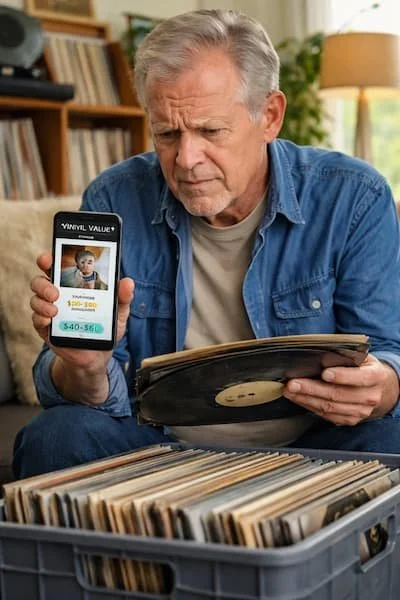
Why AI Record Scanner Apps Are Destroying the Vinyl Resale Market
Over the past month or two, we’ve seen a sharp increase in people relying on “record scanner” apps that promise instant vinyl values. What’s followed is frustration, wasted time, and record collections that become far harder — sometimes impossible — to sell because the app’s numbers don’t match reality.
Let’s be clear from the start: this isn’t a “technology is bad” rant. We’re not anti-AI. We’re anti-misinformation. These apps generate numbers that look authoritative but routinely ignore the fundamentals of the vinyl market: pressing details, condition, demand, and the realities of selling records in bulk.
We evaluate and buy hundreds of collections every month across the Midwest. Recently, one pattern has become impossible to ignore — especially among older sellers who aren’t record collectors and are simply trying to downsize, clear an estate, or move on. The apps feel like a shortcut. Instead, they often create a dead end.
⭐⭐⭐⭐⭐ Seller experience
“I had the pleasure of meeting Andy Noble who came to my house and purchased my small album collection. It was hard parting with the fond memories, but Andy offered me a very reasonable price that I could not refuse. It felt good knowing that my albums would be offered for sale to vinyl enthusiasts.”
— Nell Flower · Read seller reviews
The Two Scenarios We’re Seeing Every Week
Scenario 1: “Worth Thousands” — But Unsellable
People spend hours scanning hundreds of easy listening and mass-market records — titles that no store can sell, often not even for $1. The app assigns values like $3–$5 on the low end and $40–$60 on the high end. The seller adds it up and believes they’re sitting on thousands of dollars, even though these records can’t realistically be given away.
Scenario 2: A $600 Collection Gets Turned Into “$6,000”
Sometimes there is real value — a modest collection that might retail for $500–$600 on a great day. A store makes a reasonable offer based on condition and demand. But the app inflates the number tenfold. The seller assumes everyone is trying to rip them off and may even leave negative reviews for stores that are simply explaining market reality.
In both cases, the outcome is the same: sellers waste time and energy, stores spend hours correcting misinformation, and perfectly sellable collections become emotionally — and practically — unsellable.
The Core Problem: A Price Is Not a Buyer
Here’s the simplest truth these apps never explain: a record with no buyers does not have value — even if an app assigns it a price.
Many apps pull from old listings, optimistic asking prices, or mismatched versions. Unsold listings can sit online for years. The app still treats them as “value.” The market does not.
Trying to figure out what to do next?
If an app gave you a number that doesn’t match what buyers are telling you, a quick human conversation can usually clarify what’s actually sellable.
If your goal is to sell, the path forward isn’t winning an argument with an app screenshot. It’s understanding demand, condition, and reality — and getting a clear answer from someone who actually buys collections.
Want a straight answer without the app drama?
If you’re downsizing or settling an estate, we’ll tell you what’s worth pulling out — and what isn’t — without judgment and without inflated app math.
Other People Are Noticing This Too
If this article feels familiar, it’s because record collectors and store owners across the internet have been testing these AI record scanner apps — and running into the same problems. Below are a few examples worth watching or reading.
📺 YouTube: Real-World Tests of Record Scanner Apps
- “Record Scanner App Test” (multiple creators) — side-by-side comparisons with Discogs and real sales.
- “Are Vinyl Value Apps Accurate?” — collectors reacting to inflated prices and mismatched pressings.
- “Record Scanner App Wrong Prices” — examples of condition and version issues.
💬 Reddit: Collector & Store Owner Reactions
- “Record Scanner App Vinyl” discussions — recurring complaints about inflated values and wrong pressings.
- “Are Vinyl Value Apps Accurate?” — collectors explaining why apps confuse listings with real demand.
- “Selling a Record Collection Using an App” — sellers describing frustration after trying to cash out.
The pattern is consistent: the apps look impressive, the numbers feel authoritative — and the real-world selling experience tells a very different story.